When planning a commercial EV charging station, buyers often need to decide between single-gun and dual-gun DC chargers.
Both configurations are widely used in commercial charging applications, but they serve different operational needs.
Some projects mainly focus on charging one vehicle at a time, while others need to serve multiple vehicles in a limited space.
So, what is the difference between single-gun and dual-gun DC EV chargers? And which option is better for your project?
Let's take a closer look.
1. What Is a Single-Gun DC EV Charger?
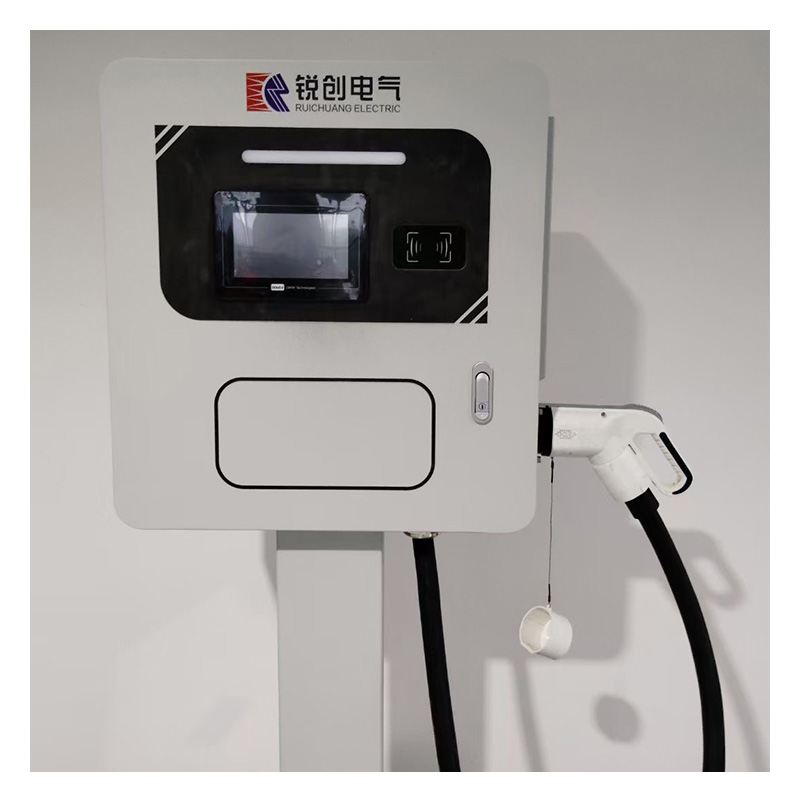
A single-gun DC EV charger has one charging connector and is designed to charge one electric vehicle at a time.
It is a common choice for:
- Small commercial parking areas.
- Highway charging locations.
- Private fleet charging stations.
- Dealerships and vehicle service centers.
- Locations with limited charging demand.
The main advantage of a single-gun charger is its simple configuration.
The charger provides its available output power to one connected vehicle, subject to the vehicle's charging requirements and operating conditions.
For projects where vehicles arrive separately and do not need to share charging facilities, a single-gun charger can be a practical solution.
2. What Is a Dual-Gun DC EV Charger?
A dual-gun DC EV charger is equipped with two charging connectors.
This configuration allows two vehicles to connect to one charging station.
Depending on the charger design, the two connectors may support simultaneous charging with a power-sharing function.
For example, if a charging station has a total output power of 120kW, the available power can be distributed between two vehicles according to the system design and the vehicles' charging requirements.
The actual output for each vehicle may change during the charging process.
Dual-gun chargers are commonly considered for:
- Commercial charging stations.
- Public parking facilities.
- Fleet depots.
- Highway service areas.
- Shopping centers and other busy locations.
They can help charging operators serve more vehicles using a shared charging unit.
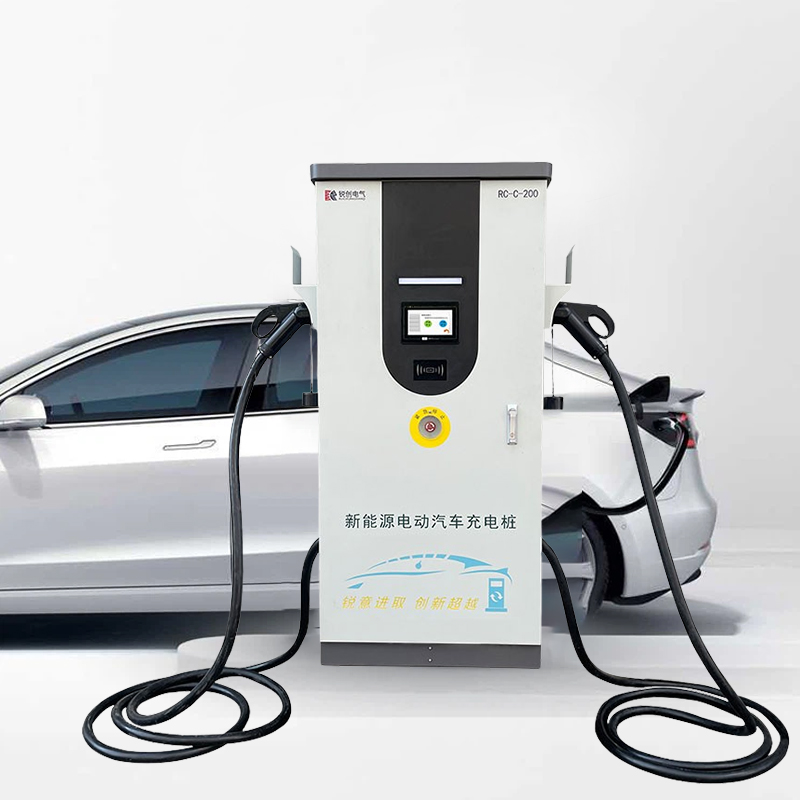
3. Main Differences Between Single-Gun and Dual-Gun Chargers
There are several differences between these two configurations.
Number of Charging Connectors
A single-gun charger has one connector, while a dual-gun charger has two.
This is the most obvious difference and determines how many vehicles can be connected to the equipment.
Charging Operation
A single-gun charger is designed for one vehicle.
A dual-gun charger may support two vehicles charging at the same time, depending on the model and power distribution design.
Buyers should confirm this function with the manufacturer rather than assuming every dual-gun charger supports simultaneous charging.
Power Distribution
A single-gun charger normally provides its available output to one vehicle.
For a dual-gun charger, the available output may be shared between two connected vehicles.
For example, a 160kW dual-gun charger does not necessarily provide 160kW to each vehicle simultaneously.
The total output power and the maximum output of each connector should be checked in the product specifications.
Installation and Space
A dual-gun charger can provide two charging connectors within one charging unit.
This may help reduce the number of separate charger cabinets needed in some projects.
However, the installation layout still needs to consider parking spaces, cable reach, vehicle access, and maintenance requirements.
4. Which One Is Better for a Commercial Charging Project?
There is no single answer for every project.
The right configuration depends on the number of vehicles, charging demand, budget, and available electrical capacity.
A single-gun charger may be suitable when:
- Charging demand is relatively low.
- Vehicles usually arrive one at a time.
- The project requires a simple charging configuration.
- Each parking space has its own charging unit.
A dual-gun charger may be suitable when:
- Two vehicles may need charging at the same time.
- The project has limited installation space.
- Charging operators want to improve equipment utilization.
- The parking layout allows two vehicles to use one charging station.
For larger projects, both configurations can be used together to meet different charging requirements.
5. Important Specifications to Check Before Purchasing
Before ordering a single-gun or dual-gun DC charger, buyers should confirm the following details.
1. Rated Output Power
Common commercial DC charging power options include 60kW, 120kW, 160kW, and 240kW.
Select the appropriate power according to vehicle requirements and site conditions.
2. Output Voltage Range
Different electric vehicles have different battery voltage platforms.
A wide output voltage range can help improve compatibility with different vehicle models.
3. Maximum Output Current
Check the maximum current supported by the charger and each connector.
4. Charging Connector
Confirm whether CCS1, CCS2, CHAdeMO, or GB/T connectors are required.
5. Power Distribution
For dual-gun models, ask whether the two connectors support simultaneous charging and how the output power is allocated.
6. Communication and Payment
Depending on the project, OCPP, RFID, mobile APP, Ethernet, and 4G communication may be required.
7. Protection and Operating Environment
Check the equipment's protection level, operating temperature range, and required installation conditions.
6. Why Should Charging Operators Consider Dual-Gun Chargers?
For commercial charging operators, the number of charging sessions and equipment utilization are important considerations.
A dual-gun charger offers the possibility of serving two vehicles through one charging unit.
This can be useful in locations where parking space is limited or where vehicles arrive at different times throughout the day.
However, the actual benefits depend on charging demand, power availability, and how the equipment distributes output power.
A proper project assessment is always recommended before choosing the final configuration.
Conclusion
Single-gun and dual-gun DC EV chargers are both useful for commercial charging applications.
Single-gun chargers offer a straightforward solution for one vehicle, while dual-gun chargers provide more flexibility when two vehicles need to connect to the same charging station.
Before purchasing, buyers should carefully compare output power, voltage range, connector types, simultaneous charging capability, and installation requirements.
Henan Risen Intelligent Equipment Co., Ltd. provides DC fast charging stations with different power ratings and connector configurations for commercial charging projects.
If you are looking for a single-gun or dual-gun DC EV charger, contact us to discuss your requirements.
Email: info@risencharger.com