Introduction: Why Fleet Charging Matters for Commercial EVs
The transition to electric vehicles is accelerating worldwide, and commercial fleets are becoming an important part of this change. Logistics companies, transportation operators, and businesses with multiple vehicles are increasingly adopting electric vans, trucks, and buses to reduce fuel costs and meet sustainability goals.
However, operating an electric fleet requires more than simply purchasing EVs. A reliable charging infrastructure is essential to keep vehicles available, minimize downtime, and ensure efficient daily operations.
Fleet charging solutions are designed specifically for businesses that manage multiple electric vehicles. Unlike individual EV charging, fleet charging focuses on high utilization, scheduled charging, energy management, and long-term operational reliability.
What Is Fleet Charging?
Fleet charging refers to an EV charging system designed for commercial vehicle groups, including:
- Electric delivery vans
- Logistics trucks
- Electric buses
- Company vehicles
- Municipal and service fleets
Instead of charging one vehicle occasionally, fleet charging systems support multiple vehicles that need to be charged according to operational schedules.
For example:
A logistics company may operate dozens of electric delivery vehicles every day. Vehicles return to the depot in the evening and need to be fully charged before the next working shift. A well-designed fleet charging system ensures that every vehicle is ready when needed.
Why Commercial Fleets Need Dedicated Charging Solutions
1. Reduce Vehicle Downtime
For commercial fleets, time directly affects business performance.
A vehicle waiting for charging cannot complete deliveries or provide services. Therefore, fleet operators need charging solutions that provide:
- Faster charging speed
- Stable power output
- Reliable daily operation
High-power DC chargers can significantly reduce charging time compared with traditional AC charging, making them suitable for commercial applications that require quick turnaround.
2. Support Multiple Vehicles Charging at the Same Time
A common challenge for fleet operators is managing multiple EVs charging together.
A professional fleet charging system helps businesses:
- Plan charging schedules
- Balance charging loads
- Avoid unnecessary peak electricity demand
- Improve charger utilization
This is especially important for large depots where dozens or hundreds of vehicles may require charging every day.
3. Match Charging Power with Vehicle Requirements
Different commercial vehicles have different charging needs.
| Vehicle Type | Typical Charging Requirement |
|---|---|
| Electric Passenger Vehicles | AC or low-power DC charging |
| Delivery Vans | 30kW–120kW DC charging |
| Electric Trucks | 120kW–400kW+ DC charging |
| Electric Buses | High-power DC charging |
For example, a small delivery fleet may only require medium-power chargers, while heavy-duty trucks and buses may need high-power charging solutions.
The development of electric heavy-duty vehicles is increasing demand for dedicated high-power charging infrastructure.
Key Components of an Effective Fleet Charging Solution
1. High-Power DC EV Chargers
DC fast chargers are commonly used in commercial fleet applications because they provide direct battery charging and shorter charging times.
Typical applications include:
- Logistics depots
- Bus terminals
- Fleet parking areas
- Commercial charging stations
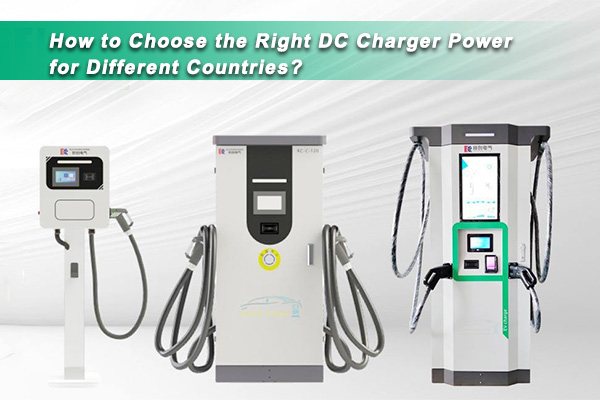
Risen provides DC charging solutions from medium power to high-power applications, helping businesses select suitable charging equipment based on vehicle type and operation requirements.
2. Smart Charging Management
A modern fleet charging system is not only about hardware.
Smart charging management helps operators:
- Monitor charging status
- Control charging schedules
- Optimize energy usage
- Improve operational efficiency
For large fleets, intelligent charging strategies can help reduce pressure on the local power system and improve overall charging efficiency.
3. Scalable Charging Infrastructure
Fleet size may grow over time. Therefore, charging infrastructure should be flexible and expandable.
A good fleet charging design should consider:
- Current vehicle quantity
- Future fleet expansion
- Available electrical capacity
- Charging location layout
This allows businesses to expand charging capacity without completely rebuilding their infrastructure.
Fleet Charging Applications
Logistics and Delivery Fleets
Electric delivery vehicles usually operate fixed routes and return to a central depot.
Fleet charging helps logistics companies:
- Charge vehicles overnight
- Reduce fuel costs
- Improve fleet management efficiency
Electric Bus Fleets
Public transportation operators require reliable charging because buses operate on strict schedules.
Charging solutions need to support:
- Daily high-frequency operation
- Large battery capacity
- Stable charging performance
Heavy-Duty Truck Fleets
Electric trucks require higher charging power due to larger battery capacity.
High-power DC chargers are becoming increasingly important for:
- Regional transportation
- Port logistics
- Industrial transportation
How to Choose the Right Fleet Charging Solution
Before selecting EV chargers, fleet operators should consider:
1. Vehicle Type and Battery Capacity
Different vehicles require different charging power levels.
2. Daily Driving Distance
Long-distance vehicles usually need faster charging solutions.
3. Number of Vehicles
The charging system should support current and future fleet size.
4. Site Electrical Capacity
Available power supply affects charger selection and installation planning.
5. Future Expansion
A scalable charging solution helps businesses prepare for future EV growth.
The Future of Commercial Fleet Charging
The future of fleet charging will focus on higher efficiency, smarter energy management, and larger-scale deployment.
Future trends include:
- Higher-power DC charging
- Smart energy management
- Integration with renewable energy
- Battery storage systems
- Charging solutions for electric trucks and buses
As commercial electrification continues, reliable charging infrastructure will become a key factor in successful fleet operations.
Conclusion: Reliable Charging Infrastructure Supports Fleet Electrification
For commercial vehicle operators, EV adoption is not only about choosing electric vehicles. It requires a complete charging strategy that supports daily operations.
A reliable fleet charging solution helps businesses reduce downtime, improve charging efficiency, and prepare for future fleet expansion.
With experience in EV charging technology, Risen provides AC and DC charging solutions designed for commercial applications, helping global customers build efficient and reliable EV charging infrastructure.